
News
Stay up to date on the latest crypto trends with our expert, in-depth coverage.


MakerDAO rebrands as Sky, reveals new stablecoin and governance token
Cryptobriefing·2024/08/27 15:39

Nasdaq seeks SEC approval to list and trade bitcoin index options
Nasdaq has filed with the SEC to list and trade bitcoin index options.The proposed Nasdaq Bitcoin Index Options (XBTX) will track the CME CF Bitcoin Real-Time Index.
The Block·2024/08/27 14:45

What is the Reason for the Long-Term Decline in Bitcoin and Ethereum? Citi Analysts Explained!
Citi analysts noted that the cryptocurrency market has struggled since the launch of spot Ethereum ETFs due to weak demand and ETF outflows.
Bitcoinsistemi·2024/08/27 14:27
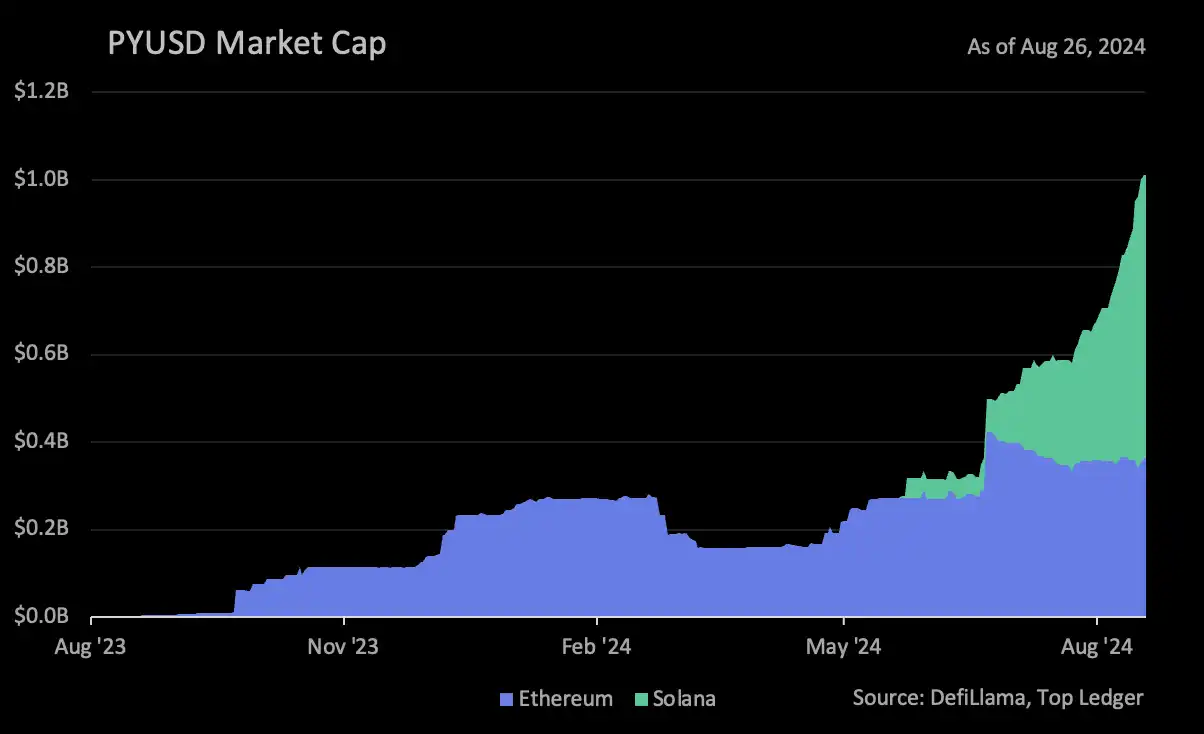
Solana occupies 64% of PYUSD market share, and Kamino becomes the preferred staking protocol
Odaily·2024/08/27 14:20


Best Crypto to Buy Right Now August 27 – Immutable X, NEAR Protocol, XRP
Insidebitcoin·2024/08/27 13:31

PEPE Price Plunges 8% As Experts Say Consider This 2.0 PEPE For Parabolic Gains
Insidebitcoin·2024/08/27 13:30

Top Crypto Gainers Today Aug 27 – Decred, WEMIX, Gala, Fasttoken
Insidebitcoin·2024/08/27 13:30

Notcoin Price Prediction: NOT Plunges 9% As Investors Flock To This DOGE Upgrade Before Its Launch
Insidebitcoin·2024/08/27 13:29

Cryptocurrency Market Drops as Ethereum Faces Bearish Outlook
Cryptodnes·2024/08/27 12:57
Flash
17:31
Daly: Inflation is mainly driven by tariffs, and the impact is expected to gradually diminish.According to Golden Ten Data, ChainCatcher reports that Federal Reserve’s Daly stated inflation is mainly driven by tariffs, and these effects are expected to gradually subside.
17:07
Federal Reserve: In the week of June 3rd, the outstanding amount of U.S. commercial paper not seasonally adjusted increased by $2.4 billion.The balance of commercial paper outstanding by foreign financial institutions in the U.S. without seasonal adjustment increased by $1 billion. The seasonally adjusted balance of U.S. commercial paper outstanding increased by $1.07 billion.
17:04
Boston Fed research shows oil shocks have a weaker impact on the U.S. compared to the 1970sResearchers at the Boston Fed stated in a report released on Thursday that an oil price shock similar to the current one triggered by the Iran war would push the U.S. Personal Consumption Expenditures Price Index up by 1.5 percentage points in the following year, whereas in the 1970s it would have raised the index by 2.2 percentage points. The researchers noted that, in the face of a similar shock, employment growth in the 1970s would decline by 1.8 percentage points, but this effect “has largely disappeared in recent years.” Egon Zakrajšek, chief economist at the Boston Fed and one of the report’s authors, believes that this means “monetary policy should pay more attention to the inflation effects associated with oil shocks, rather than employment effects.”
News