
News
Stay up to date on the latest crypto trends with our expert, in-depth coverage.

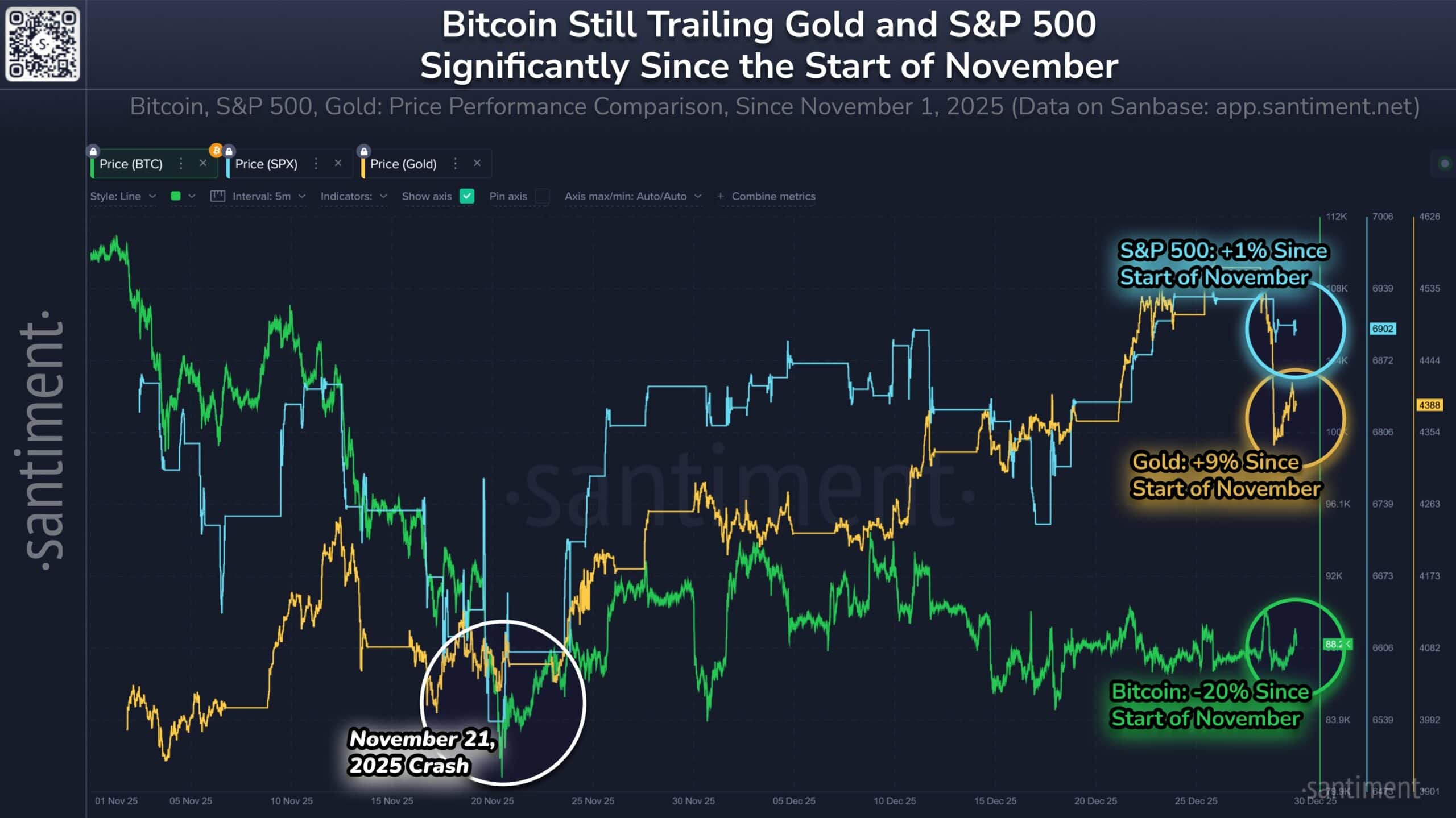
Can crypto overtake gold and stocks in 2026? THESE numbers say…
AMBCrypto·2025/12/31 17:03

TOFU Story and ENI Join Forces to Enhance Blockchain Performance for Web3 Experiences
BlockchainReporter·2025/12/31 17:00
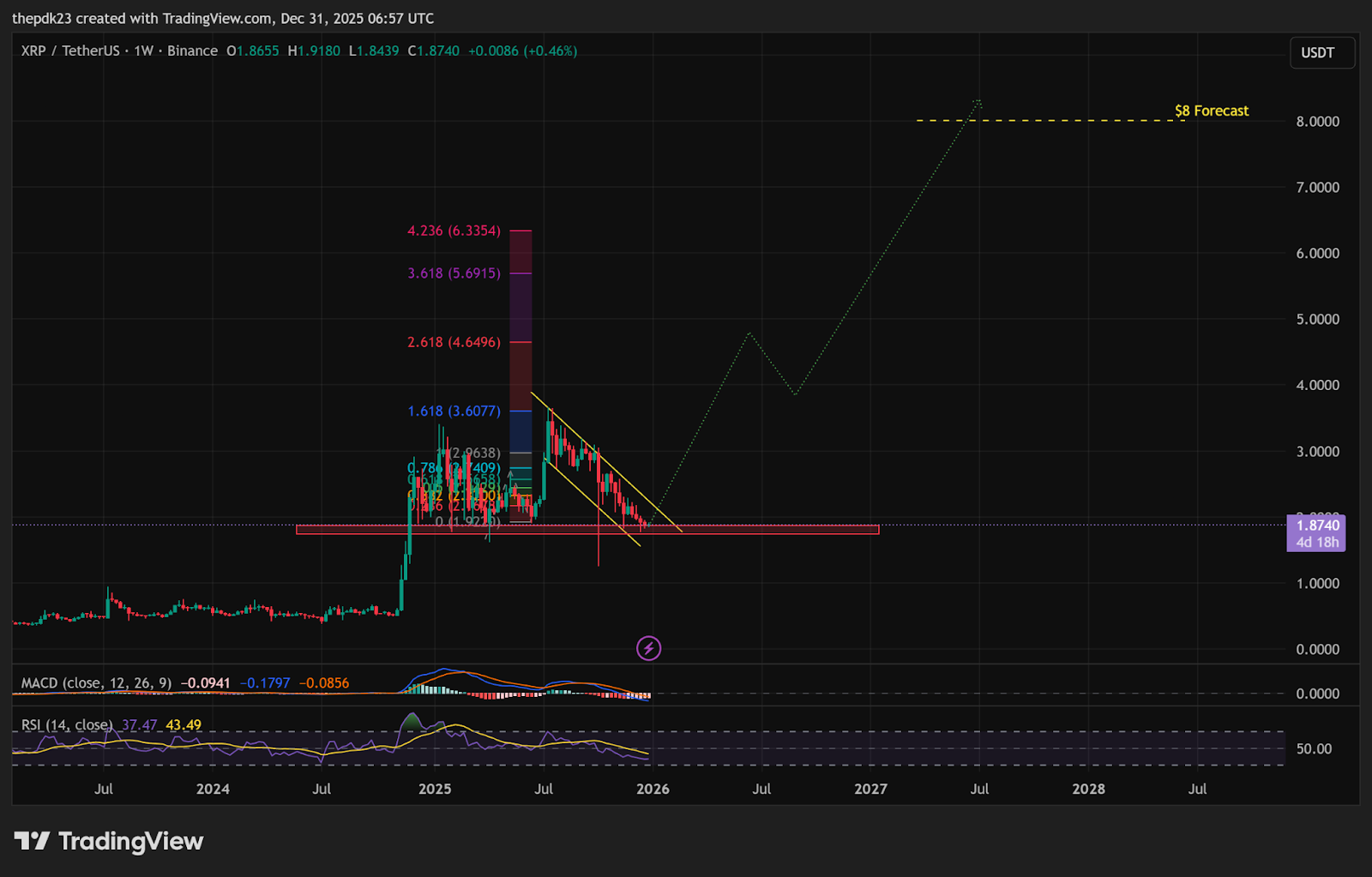
XRP ETFs Absorb Capital While Price Stalls: Is a 2026 Breakout Brewing?
CoinEdition·2025/12/31 16:21
WOW EARN Collaborates with SynapseAI to Launch No-Code AI Agent Creation to Web3
BlockchainReporter·2025/12/31 16:00
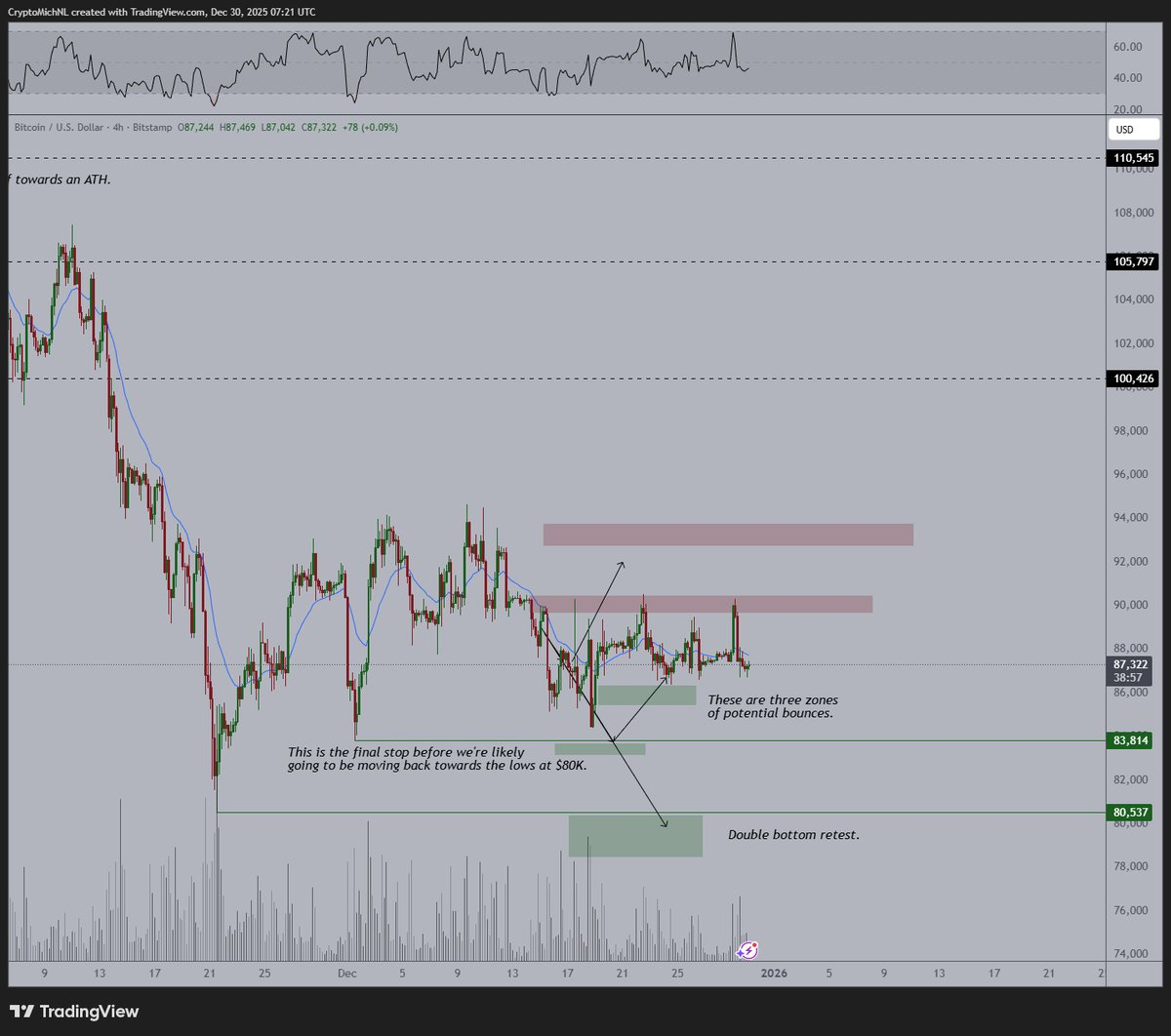
What’s Next for Bitcoin Amid Failed Santa Rally? Analysts Opinions
CoinEdition·2025/12/31 15:51
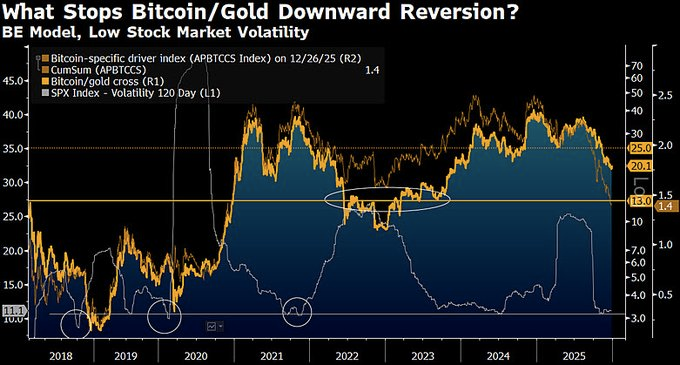
Metals vs Crypto: Volatility Signals Shift Toward Metals in 2026
CoinEdition·2025/12/31 15:21
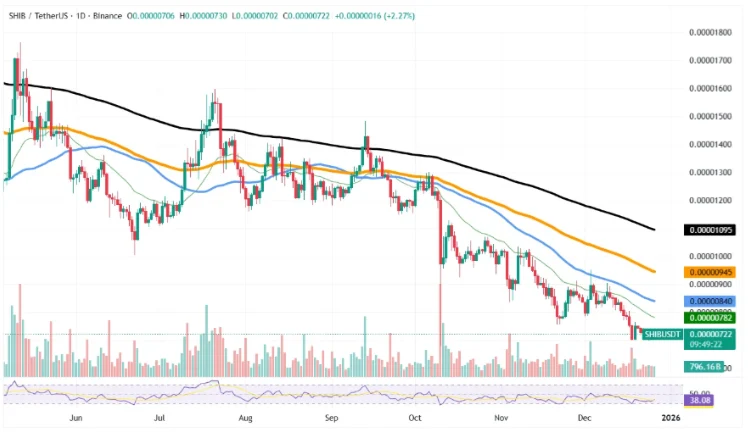
Shiba Inu Price Prediction: Trend Research Increases ETH Holding to $1.8B, DeepSnitch AI Hits $1M Presale Raise
BlockchainReporter·2025/12/31 15:12
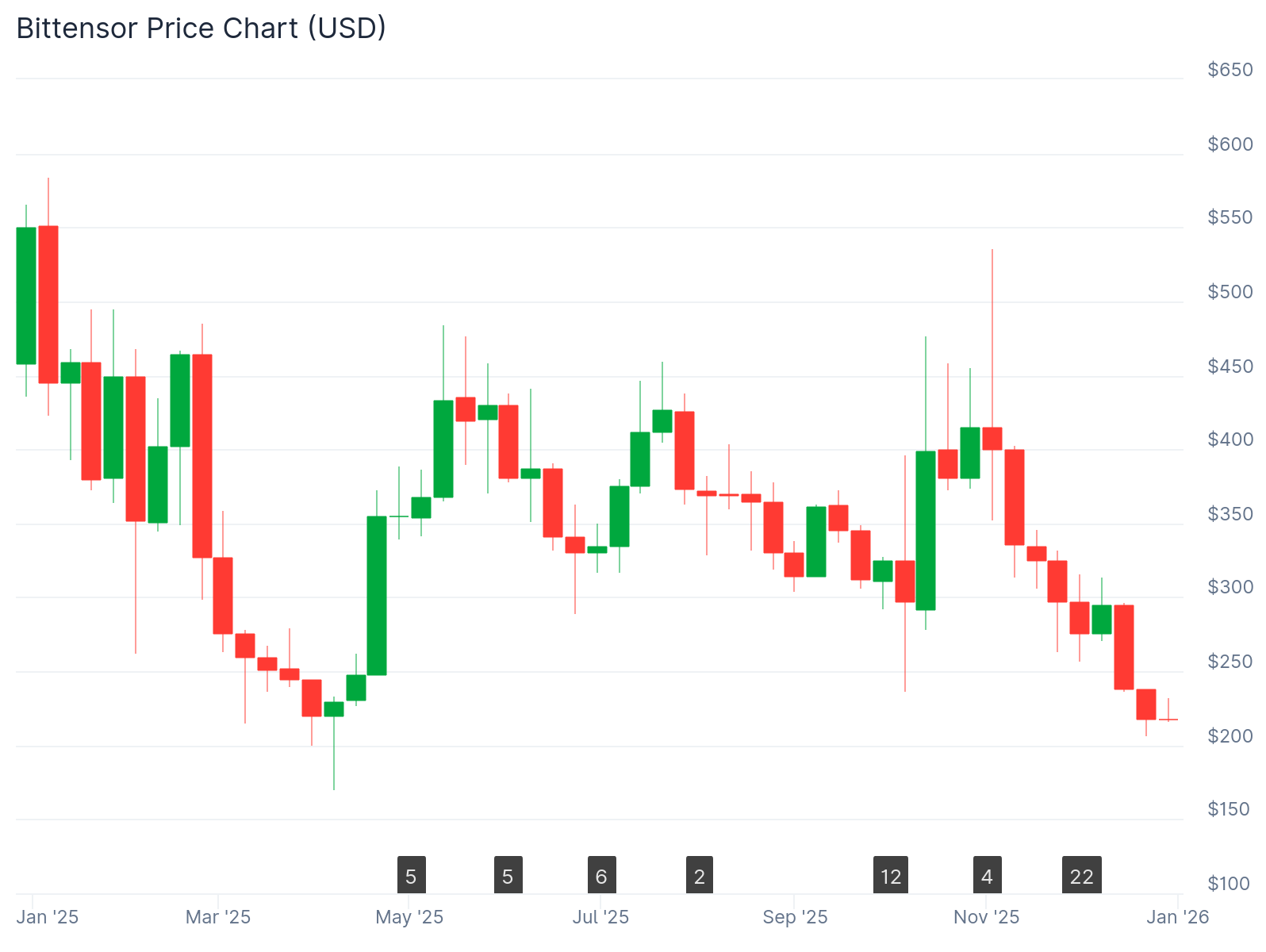
Top Altcoins to Watch in 2026: Zcash, Solana, Chainlink, and Bittensor Stand Out
CoinEdition·2025/12/31 14:21
Algorand Price Prediction 2026-2030: The Critical $1 Milestone and Future Trajectory
Bitcoinworld·2025/12/31 13:51
Crypto Exploits: Alarming $118M December Losses Highlight Persistent Security Crisis
Bitcoinworld·2025/12/31 13:51
Flash
08:51
Jakarta Composite Index falls for three consecutive days, once plunging 4%, possibly reaching its lowest close since November 2020⑴ Indonesia's benchmark Jakarta Composite Index fell for the third consecutive trading day, at one point dropping 4%, heading toward its lowest closing level since November 2020. ⑵ Ahmad Mikail Zaini, Chief Economist at Sucor Sekuritas, stated that government policy uncertainty, the risk of a credit rating downgrade, and a weak rupiah are all putting pressure on the stock market. Since the government's announcement of an export control plan, negative sentiment has continued to intensify. ⑶ The Jakarta Composite Index has fallen 8% so far this week, and is expected to decline for the fourth straight week. Since the start of the year, the index has dropped by about 35% in total.
08:50
Federal Reserve Study: Dilemma Weakening Under Oil Price Shock, Can Prioritize Inflation ControlBlockBeats News, June 5th, the latest research from the Boston Fed pointed out that with the improvement in energy efficiency and the growth in domestic crude oil production, the U.S. economy's sensitivity to oil price increases has significantly decreased. Unlike the oil crisis of the 1970s, the current oil price increase no longer massively impacts the job market. The additional jobs created by the oil and gas industry's expansion can partially offset the pressure on other industries. Therefore, the possibility of high oil prices leading to a "stagflation" situation of high inflation and high unemployment has noticeably decreased.
However, the report also warned that the cushioning effect of oil price shocks on employment has weakened, implying that the inflationary pressure from rising energy prices may be more enduring. The Fed does not need to overly worry about energy price hikes leading to an economic downturn, but should focus more on containing inflation. The current market consensus is that the Fed's June meeting will keep rates unchanged, but some officials have begun discussing the possibility of raising rates later this year.
Meanwhile, Morgan Stanley believes that the current oil price surge is more of a short-term supply disruption and is not sufficient to be a key factor driving rate hikes. The institution expects the U.S. interest rate to remain unchanged for the whole year and is likely to start a rate-cutting cycle in 2027. However, as geopolitical conflicts push up energy prices, the market's view on the Fed's policy path has significantly shifted. Fed officials have recently been sending frequent hawkish signals, emphasizing that if inflation remains persistently above the target level, further policy tightening is not ruled out.
08:49
Federal Reserve research: Monetary policy logic reshaped, the trade-off under oil price shocks is weakened and inflation control can be prioritizedOdaily reported that the Boston Federal Reserve released its latest research on Thursday, stating that a fundamental transformation in the US energy structure has completely changed how oil price shocks affect the domestic economy, and has also reshaped the Federal Reserve’s monetary policy logic. Currently, the mainstream tendency of the Federal Reserve is to remain on hold in the short term, waiting to observe the ongoing impact of the conflict. However, officials are generally concerned that continued conflict may cement high inflation, and some voices have raised the possibility of a rate hike within the year. The Boston Federal Reserve’s research provides support for this, suggesting that even if interest rates are increased during this cycle, the optimization of the economic structure means it will not cause the severe employment downturn seen in the past. However, Morgan Stanley holds a completely different view, believing that this round of oil price increases is a short-term supply disruption and will not become the core reason for the Federal Reserve to raise interest rates. Morgan Stanley forecasts that inflation will gradually bounce back in the second half of the year, with volatility in the job market, and that the Federal Reserve will most likely keep interest rates unchanged throughout the year, with the potential to begin cutting rates in 2027. (Golden Ten Data)
News