
News
Stay up to date on the latest crypto trends with our expert, in-depth coverage.


Dogecoin Eyes Potential 7% Breakout – Analyzing the DOGE Price Triangle and Market Sentiment
BlockchainReporter·2026/01/26 08:00
KRW Stablecoin Revolution: South Korea’s Game-Changing Wallet Enables Seamless Forex Exchange
Bitcoinworld·2026/01/26 07:36
BTC Perpetual Futures Face Intense Short Pressure as Top Exchanges Show Bearish Dominance
Bitcoinworld·2026/01/26 07:36
Long-Dormant Ethereum Wallet Awakens, Market Buzzes
Cointurk·2026/01/26 07:09
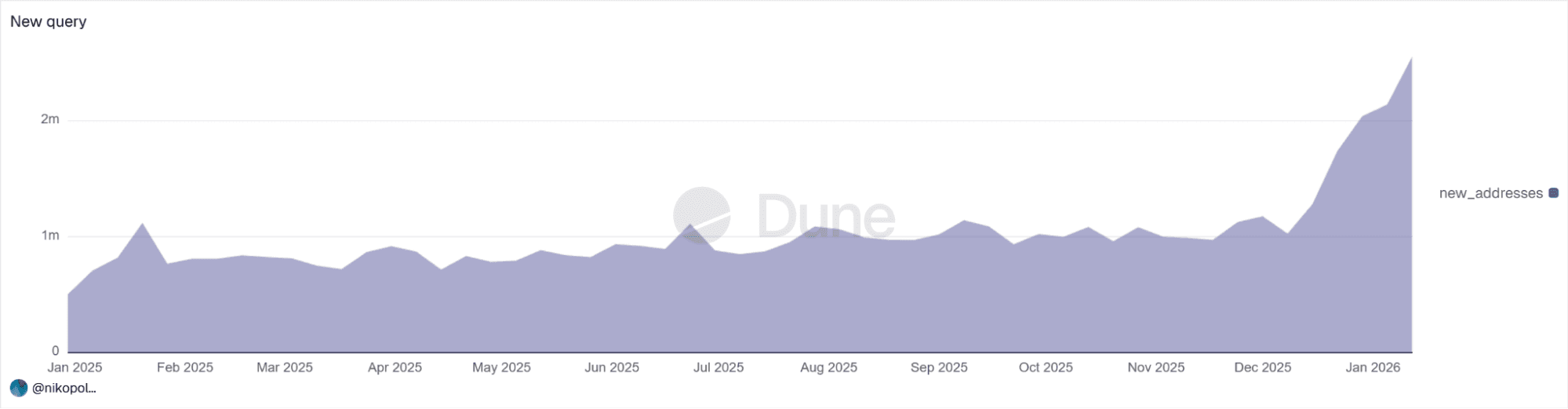
Ethereum blockchain beats its own speed-ups, but there's a catch
Cointime·2026/01/26 06:43

A Crypto Theft Shakes U.S. Federal Services
Cointribune·2026/01/26 06:39
Japanese yen pushes higher as intervention risks mount
101 finance·2026/01/26 05:15
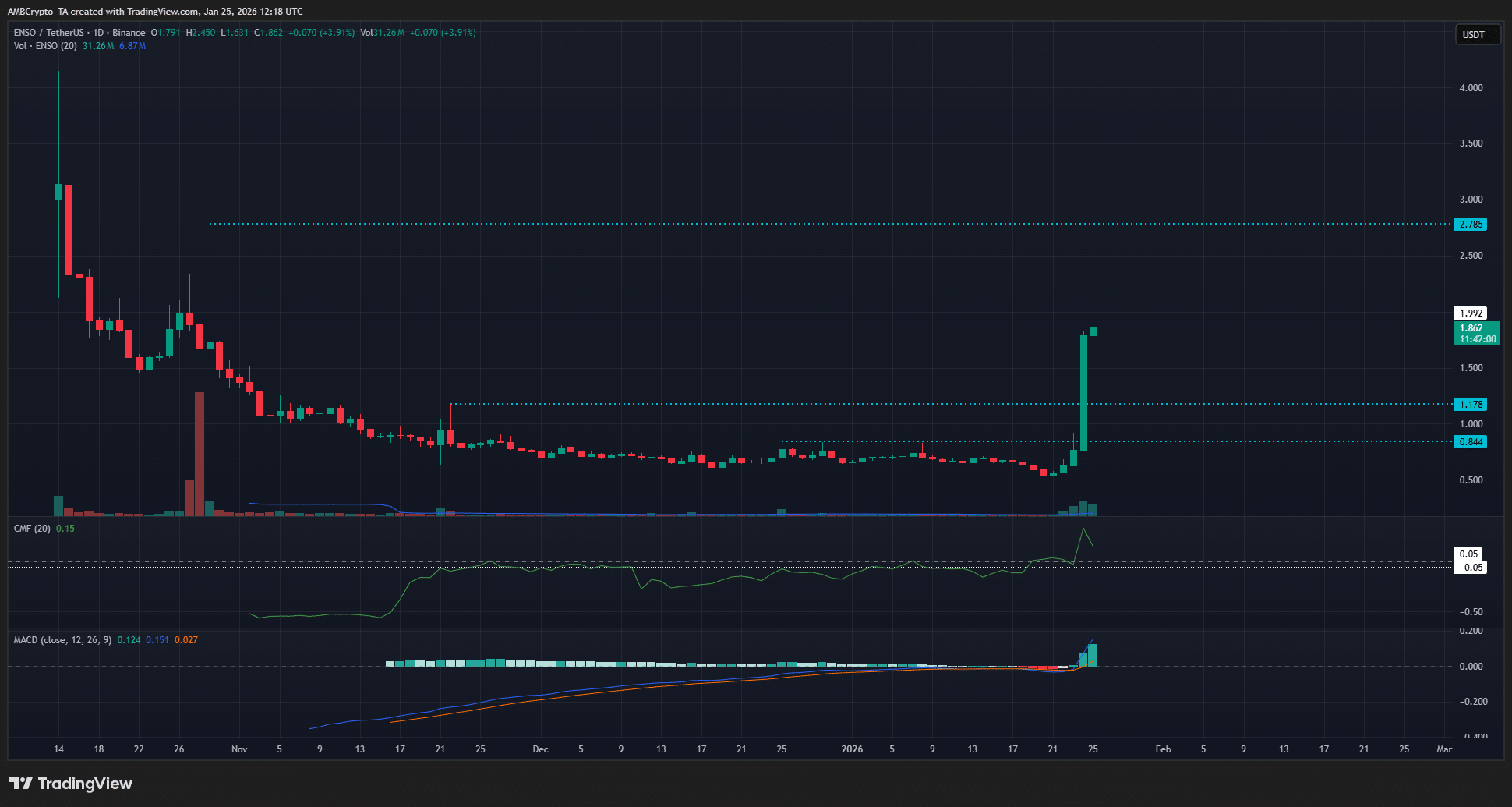
Decoding Enso’s $11mln liquidation: Is 180% weekly surge sustainable?
AMBCrypto·2026/01/26 03:03
Flash
03:26
Goldman Sachs sharply lowers yen forecast, may fall to 165 within a yearGolden Ten Data reported on July 6 that Goldman Sachs expects the Japanese yen will fall to 165 per US dollar within a year, down from its previous forecast of 155, making it one of the most bearish institutions on the yen. Strategist Fishman noted that downward pressure on the yen comes from Japan's fiscal challenges, persistently high US Treasury yields, and the Bank of Japan’s slow pace of rate hikes, even though the yen is already severely undervalued. Positioning supports further weakness in the yen. Data shows that hedge funds’ short bets against the yen hit the highest level since 2017 last month, with the market estimating about a 72% chance that USD/JPY will rise to 165 by June next year. Goldman Sachs also favors using the yen as a funding currency for carry trades, i.e., borrowing yen to invest in high-yielding assets. The bank forecasts USD/JPY at 162 in three months and 163 in six months (previously 160 and 158, respectively), and believes official intervention will have only a short-lived effect, with the underlying reasons for yen weakness still remaining.
03:17
Korean media: Samsung Electronics and SK Hynix may delay the adoption of next-generation HBM hybrid bonding technologyAccording to Odaily, South Korean media report that Samsung Electronics and SK Hynix are re-evaluating the timeline for adopting hybrid bonding technology in the next generation of high-bandwidth memory (HBM). As the demand for further thickness reduction and improved thermal performance in HBM has decreased, the market now expects the introduction of this technology may be postponed even further compared to previous projections. At the same time, both companies are developing new cooling solutions such as HPB and iHBM, which they plan to apply to their HBM5 products. However, industry insiders believe that as the number of HBM I/O channels continues to increase in the future, hybrid bonding will remain an important mid- to long-term technological direction.
03:17
The price of domestic gold jewelry brands has slightly increased compared to last week.Golden Ten Data, July 6 — According to a comparison of domestic gold jewelry prices today, the price of pure gold jewelry from many domestic brands has increased by about 7 yuan per gram compared to last Friday, with most prices quoted in the range of 1,260–1,269 yuan per gram.
News